

this
Scent of a Woman — A Film That Still Understands Men (and the Cost of Forgetting Them)
There’s a certain kind of film they don’t really make anymore—one that isn’t afraid of masculinity, isn’t embarrassed by it, and certainly doesn’t try to apologise for it. Scent of a Woman sits firmly in that category.
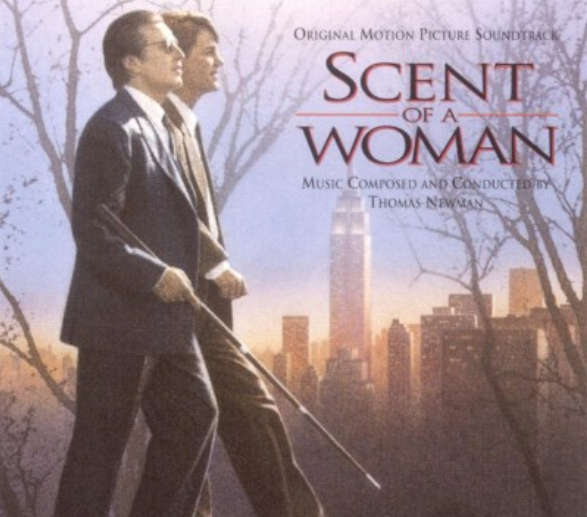
Rewatching it now, decades later, what stands out most is not just the legendary performance by Al Pacino as Lieutenant Colonel Frank Slade—but the unapologetic clarity of what the film is about: honour, responsibility, mentorship, and the difference between a boy drifting through life and a man choosing to stand for something.
Pacino’s Slade is blind, bitter, sharp-tongued, and at times outrageous—but beneath it all is a code. A standard. He may be broken, but he hasn’t surrendered. That distinction matters.
And it’s exactly the kind of distinction modern culture often struggles to articulate.
The Masculine Core the Film Refuses to Abandon
At its heart, the film is about the shaping of a young man—Charlie—under the influence of someone who demands more from him. Not comfort. Not validation. But integrity.
There’s a famous speech near the end—delivered in full Pacino force—where Slade defends Charlie’s decision not to betray others for personal gain. It’s one of the last great cinematic defences of character over convenience.
Today, that kind of moral clarity feels almost subversive.
Because much of modern discourse has shifted away from asking men to become strong, decisive, and accountable—and instead often frames those traits as suspect, even dangerous if expressed poorly. The result isn’t better men. It’s often more confused ones.
And films like Scent of a Woman quietly remind you what gets lost when that happens.
A Culture That Lost the Script
There’s also something interesting in how the film portrays relationships—especially between men and women. Slade is crude, yes, but he’s also deeply aware of women, drawn to them, respectful in his own flawed way, and ultimately grounded in reality—not ideology.
Contrast that with parts of modern culture, where conversations about gender can become abstract, adversarial, or disconnected from lived experience. You don’t have to look far to find commentary from writers and public figures reflecting on how certain strands of late-stage feminism left many women feeling misled about relationships, family, and long-term fulfilment.
For example, authors like Louise Perry (The Case Against the Sexual Revolution) and Helen Joyce have documented how rapid ideological shifts around gender and identity have created confusion—not just for men, but for women navigating expectations that don’t always align with reality or biology. These aren’t fringe observations—they’re part of a growing mainstream conversation.
That doesn’t mean “the past had it all right.” It didn’t. But it does suggest something important: when you dismantle old frameworks, you need something equally solid to replace them.
Otherwise, people drift.
Why the Film Still Lands
What makes Scent of a Woman endure is that it doesn’t drift.
It knows what it believes. It knows what a man is supposed to become—even if he fails along the way. And it understands that mentorship, friction, and even confrontation are part of that process.
It’s also, crucially, funny. Slade’s bluntness cuts through pretence in a way that feels almost refreshing now. There’s a kind of humour in watching someone say exactly what others are too cautious to admit.
Final Word
This isn’t just a great performance or a well-constructed drama.
It’s a film from a time when stories about men weren’t confused about men.
And in a cultural moment still trying to figure out what to do with masculinity—whether to reshape it, restrain it, or rediscover it—Scent of a Woman stands there, unapologetically, saying:
Here’s one version. Strong. Flawed. But real.
And maybe that’s why it still resonates.